10 Things To Try At The University of Houston

Photo by The Lazy Artist Gallery from Pexels

College is the perfect time to try new things and find out what you are interested in. You can challenge yourself by taking a class that is not in your major, or something that might be a little difficult. With these challenges, you will grow as a person and find yourself in new situations and starting to navigate life as an adult. This article will touch on the topic of things to do at and around the University of Houston. 

1. Blaffer

To start us off on our journey around the school is the Blaffer Art Museum. This contemporary art museum is located right on campus and is free to everyone, and is open Tuesday through Saturday. The art that is displayed is constantly changing and features the work of students as well. Many art classes on campus offer extra credit opportunities, and they even have their own organization- BAMSA, where you can meet others who are interested in the arts. 

2. The Nook

The Nook is often praised as one of the best coffee shops in Houston, fortunately, if you attend the University of Houston the Nook is right on campus!  With coffee, tea, pastries, and even alcohol The Nook truly has it all. The Nook is a different place to study if you’re sick of the library or just need somewhere to hang out in between classes.  10/10 would recommend.

3. Wolffest

This event has taken place once a year during the spring semester and was started in 2002. It is a three-day event where selected students from the business college- Bauer- have to use their knowledge and skills that they have learned in class to try and sell food. This event tests students in hopes that they will leave the school with the skills necessary to understand how to run their own businesses successfully.  

4. Frontier Fiesta

Frontier Fiesta is a yearly event on campus hosted by UH. At this carnival-like festival, students can expect to see different artists like D.R.A.M., Big Sean, and Cobra Starship. They can also play games and ride a variety of different rides. It is something that everyone should attend at least once during their time at the University of Houston!

5. Join a Club

There are so many different clubs at the University of Houston. Just ask anyone on campus and they are more than likely to belong to at least one organization. From art to sports to digital media there are so many options here on campus. 

6. Houston Zoo

The zoo is one of the items on the list that is off-campus, but on the bright side, it is free to students! It is only a quick 10-minute drive from the campus to the zoo (and they have free parking), but if you do not have a car there you can take the metro! The Metro Rail drops you off right near the backside of the zoo. Best of all our UH mascot Shasta IV is a resident at the zoo and you can always come and say hi. Not only can you say hi to Shasta but if you decide to get a class ring, you can also choose to have your ring blessed by Shasta the night before the ring ceremony (this tradition started in 2011). 

7. Picnic!

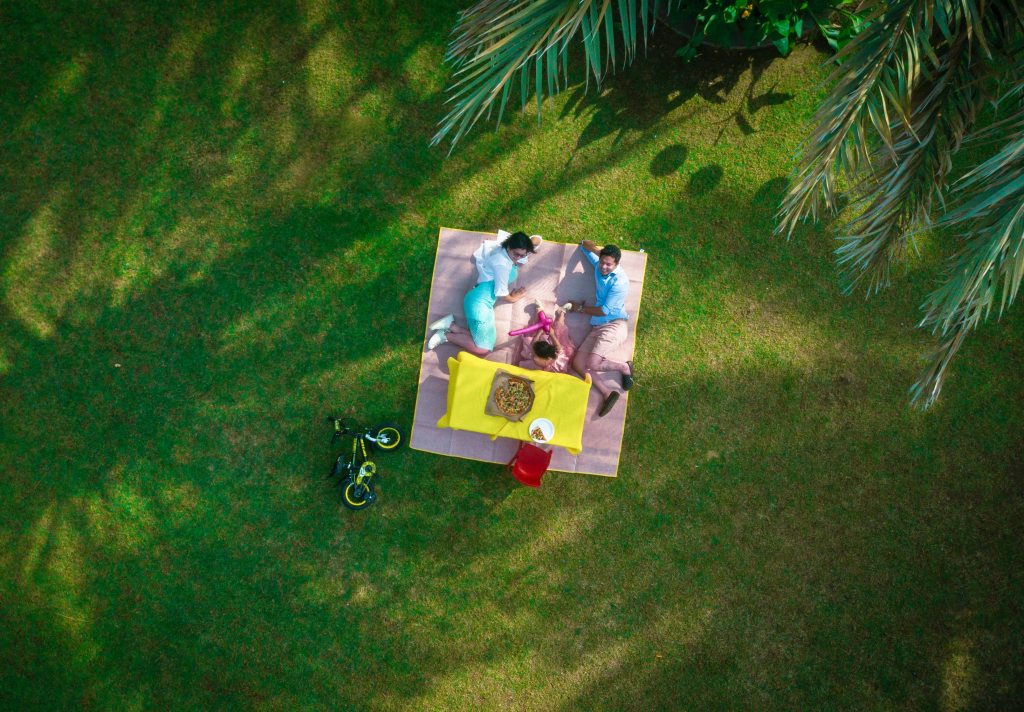
UH has a few great spots on campus, one of my personal favorites in the spring/summer is the side of the Graduate College of Social Work. There is plenty of shade to keep you cool and out of the suns’ harmful rays and grueling heat. It’s a perfect place to perch and read a book, take a nap, or have a picnic with some friends or significant other!

8. Shasta’s

Whenever you are in need of a quick treat Shasta’s is the way to go! Located in Student Center South this ice cream shop has a variety of flavors as well as coffee and shakes. With different specials all the time and open late weekly, you really can never go wrong with an ice cream cone! 

9. Working Out

They say that health starts from within, but nothing feels better than a nice workout before or after a day of classes. Whether it is a group class or you prefer working out alone, UH has many options. The campus recreation center has an indoor track, treadmills, and many other workout machines. You can also join an intramural sports team if you are into that sort of thing, or if you are a runner there are loads of different routes you can run around campus as well! 

10. Studying

The last on our list is something that you are already doing constantly- studying. Finding different ways to study and mix it up is the best way, especially since there are so many places that you can go to study. Although it is one of the most dreaded things about college it is definitely one of the most important!

Conclusion

There are many things to do at The University of Houston, it all just depends on the type of person you are and what you enjoy doing. I hope you enjoyed a few of my personal favorite things to do around campus and that you try some of them out for yourself! 

What are Sub Plans?

The Digital Media program at the University of Houston has a total of six emphasis areas or sub-plans, Print Media, eMedia, Motion Media, eCommerce, Packaging, and Gaming and Simulation. In addition to the core classes for Digital Media, each student must choose one emphasis to complete a bachelor’s in Digital Media. Each of these sub plans will help the student to learn industry practices in their respective areas. 

Print Media

Print media prepares students to control the printing process from beginning to end. The courses in this sub plan are focused on digital print reproduction and personalized documents that tailor to each recipient’s needs. In this sub plan, you will take four courses:

  • Digital Media Materials & Processes
    • This course covers digital media processes and ancillary operations and materials used in digital media production.
  • Graphic Production Process Control 2 & Lab
    • This course covers techniques to produce single and multi-page documents. Also, it includes an in-depth study of page layout, imposition, and static and variable-data printing technologies.
  • Graphic Production Process Control 3
    • This course covers tone and color theory, measurement, and modification, calibrating and characterizing input and output devices. Also, it includes converting photographs to match output device requirements for black-and-white or color reproduction. 
  • Package Design
    • This course covers Package design from the perspectives of aesthetics, form, manufacturing processes, sustainability, utility, and commercial and governmental requirements. Creating prototypes. Field testing.

eMedia

eMedia prepares students to develop and maintain websites, plan and create electronic publishing pieces for e-readers, tablets, emails, and the Internet. And also prepare students to produce communication pieces to deliver through several media channels. Students in the eMedia sub plan will take four courses:

  • Introduction to C++ Programming
    • This course covers conditional and looping constructs, functions and function overloading, arrays, pointers and references, class concepts, and files.
  • ePublishing
    • This course focuses on electronic publishing for e-readers, emails, and the Internet. It also provides an overview of the e-publishing workflow, file formats, metadata, digital assets management, XML, and eMedia specifications.
  • Integrated Media
    • This course focuses on developing brands that print and web design, computer graphics, photographs, videos, social, and mobile media.
  • Mobile Application Design
    • This course covers how to create and design apps with 2D and 3D graphics. Students will learn cross-platform development, advanced interface design, and creating a marketable mobile solution.

Motion Media

Motion Media prepares students to produce photos and animated video content for public relations, marketing, narrative, and education. This sub plan prepares you to be a valuable asset to a company or to be an entrepreneur. You can also learn more about this industry within the Houston area at the Houston Film Commission. This sub plan also has four courses in its sub plan; they are:

  • Video Production 2
    • Advanced digital video production from concept development and planning through post-production to delivery.
  • 2D Animation
    • This course covers computer-generated imagery (CGI), including drawing, coloring, and animating objects and characters, phonemes for character dialog, and object-oriented programming.
  • 3D Animation
    • This course covers computer-generated imagery (CGI), including modeling, coloring, texturing, rigging, and animating objects and character, also morph targeting for facial expressions and phonemes.
  • 3 Hours of an approved DIGM elective
    • DIGM 4396, HDCS 3369, TELS 2360, TELS 4371, Computer Literacy, up to 6 hours of ART coursework, two other DIGM courses not used above and chosen in consultation with the DIGM Program Coordinator.

eCommerce

The eCommerce sub plan prepares students to investigate, plan, and develop a strategy for a profitable electronic retailing business. Especially since retail has become more accessible online, like Amazon, eBay, Target, and Walmart, to name a few. Students will more than prepared to navigate this industry. Courses in this sub plan will entail:

  • ePublishing
    • This course focuses on electronic publishing for e-readers, emails, and the Internet. It also provides an overview of the e-publishing workflow, file formats, metadata, digital assets management, XML, and eMedia specifications.
  • Integrated Media
    • This course focuses on developing brands for print and web design, computer graphics, photographs, videos, social, and mobile media.
  • Entrepreneurial E-Tailing
    •  Technology-based approaches for entrepreneurial enterprises.
  • Strategies in E-Tailing
    • Strategies for consumer acceptance and profitability in E-Tailing.

Packaging

The Packaging sub plan prepares the student to create designs for packaging, curate variable data for clients, creating prototypes, and field testing. This courses in this sub plan will entail:

  • Graphic Production Process Control 2 & Lab
    • This course covers techniques to produce single and multi-page documents. Also, it includes an in-depth study of page layout, imposition, and static and variable-data printing technologies.
  • Package Technology
    • This course covers the ability to evaluate the cost and benefit ratio of a variety of physical packages. Emphasizing specifically on package engineering processes.
  • Graphic Production Process Control 3
    • This course covers tone and color theory, measurement, and modification, calibrating and characterizing input and output devices. Also, it includes converting photographs to match output device requirements for black-and-white or color reproduction. 
  • Package Design
    • This course covers Package design from the perspectives of aesthetics, form, manufacturing processes, sustainability, utility, and commercial and governmental requirements. Creating prototypes. Field testing.

Gaming & Simulation

Gaming & Simulation prepares the student to program, publish, animation designs, and curate gaming simulations. Unlike the previous sub plans, the Gaming & Simulation plan has six courses necessary to take. Although this is more, you are not required to take extra electives with this plan. The courses for this plan are:

  • Introduction to C++ Programming
    • This course covers conditional and looping constructs, functions and function overloading, arrays, pointers and references, class concepts, and files.
  • ePublishing
    • This course focuses on electronic publishing for e-readers, emails, and the Internet. It also provides an overview of the e-publishing workflow, file formats, metadata, digital assets management, XML, and eMedia specifications.
  • 2D Animation
    • This course covers computer-generated imagery (CGI), including drawing, coloring, and animating objects and characters, phonemes for character dialog, and object-oriented programming.
  • 3D Animation
    • This course covers computer-generated imagery (CGI), including modeling, coloring, texturing, rigging, and animating objects and character, also morph targeting for facial expressions and phonemes.
  • Mobile Application Design
    • This course covers how to create and design apps with 2D and 3D graphics. Students will learn cross-platform development, advanced interface design, and creating a marketable mobile solution.
  • Simulation and Gaming
    • This course covers the creation of games and simulations. More specifically, the interactivity, storytelling, and development of characters, Virtual Reality, Haptics, object-oriented programming, and controllers.

There are many options, and each sub plan has a diverse line up of courses for students. Each one of these sub plans will prepare the student to be prepared when entering the industry of their choosing.

Will the rise of artificial intelligence affect the Graphic Design industry?

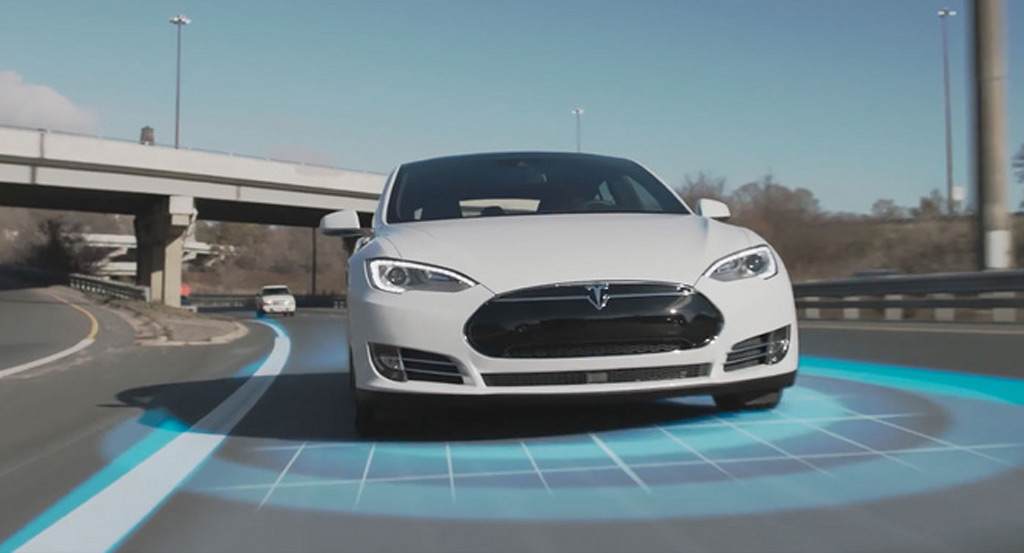
With the increasing growth of technology, no one is arguing with the fact that artificial intelligence is the new incoming step of the human advancement. There are already glimpse of what artificial intelligence has already done to certain fields such as the Tesla which now provides the public with automatic driving cars. So knowing that A.I is inevitable, how will this affect the graphic design industry? Will A.I pose a threat or will this new age become the saving grace for digital media?

Graphic Design

Imagine a world where websites can be designed by itself without the help of a person. Well, that world isn’t too far from now. There are already companies utilizing A.I technology that makes it easy to create a website without any knowledge of layout or coding. All it needs is the business name and a few selection of images in order to personalize the website to the right type of website for the business. Companies that are investing in this new A.I path are Adobe, Wix, The Grid, Firedrop, and Logojoy just to name a few.

The Grid

The Grid has be the forefront of A.I technology for graphic Design. With its software named Molly, its able to create about 200,000 different types of websites using the information provided by their customer. Its only going to get better by time as more information feeds into Molly’s system.

Adobe

Adobe has created Adobe Sensei. A software able to help graphic designers edit faces in images using facial recognition. This engine is always running under their photoshop software.

Firedrop

This company uses a very different approach in customer service. With the help of their A.I engine, Sacha, its able to assist customer through their content and asks questions about what the customer is looking for in order to meet the right requirements for their design.

Logojoy

Logojoy made sure that the logo design process is easy and fast for their customers. All the customer has to do is enter their brand name and choose from their variety of images for there engine to work. Within minutes, their new logo is done and ready to go.

Conclusion

Obviously this is going to hurt the employment rate of graphic designers in the world, but this could lead designers to adapt in their field and head for jobs that are needed. Jobs such as the back end programming side for these A.I technology could be a possibility or maybe more of a management type of job for these engines. To be quite frank, it is still too early to tell if A.I is going to be something positive for future graphic designers. This should be a wakeup call for them to learn new skillsets to be ready for anything in the future.

Cites

Team, D. (2018, June 21). How Artificial Intelligence Is Affecting Graphic Design. Retrieved from http://designedgecanada.com/news/how-artificial-intelligence-is-affecting-graphic-design/.

How Digital Media at UH is creating the future of graphic communication

Introduction

Digital Media at the University of Houston is paving the way for new innovations in the industry. While the program is relatively new and continues to undergo changes, many see this as an opportunity for the program to grow along with the remarkably fast paced technology industry. 

The program has pioneered programs that are the first of their kind while providing a comprehensive understanding of the graphic communication field. Digital Media alumni are given the knowledge to handle what is perhaps the most universal problem businesses face today: getting the right message to the right person at the right place and time. In this increasingly globalized world, Digital Media at UH is helping students to craft a good story for the people that are willing to listen.

Isn’t Digital Media just a fancy term for Graphic Design?

Digital Media is housed under the University of Houston’s College of Technology. Unlike Graphic Design (from the College of the Arts) or Media Production (from the School of Communication), Digital Media prioritizes function before form. Digital Media is wholly a program of technologists and problem solvers. It is a program about creating leaders and collaborators. Students in the program learn to create not for the sake of creation, but rather for the sake of solving communication problems. Digital Media is easily defined by the program’s coordinator, Dr. Jerry Waite: “Digital Media is the creative convergence of digital arts, science, technology, and business for human expression, communication, social interaction, and education. The program prepares college students with the necessary skills to communicate the stories that individuals and businesses want to tell to their audience. Digital Media graduates are able to pull together the talents of graphic designers, videographers, and even marketing researchers to orchestrate a targeted communication effort; all while still making something that looks good!

Okay I get it, Digital Media is the future. But why should I hire from UH?

The history of the Digital Media program is a testimony to the resilience and passion of our faculty, staff, and most especially our students. Our program is accredited by the Accrediting Council for Collegiate Graphic Communications (ACCGC). With experienced faculty, the world’s first transmedia marketing certificate, a large network of internship opportunities, and a brand new building to call home, UH Digital Media sets itself apart from other programs.

What kinds of skills can I expect from a Digital Media graduate?

Taking just one glance of the Digital Media degree plan can be dizzying. The curriculum is very extensive. However all of these pieces come together toward one main goal. 

  • Multimedia knowledge

Digital Media majors are given an edge over marketing and graphic design students with their specific knowledge of the industry. The graphic communications industry relies on different forms of media. Digital Media students graduate college being able to speak intelligently in different fields. These fields include print, packaging, eCommerce, and gaming among others. 

  • Media production process

Digital Media Students are well equipped with media production knowledge. Anyone who’s ever tried to create custom printed graphics knows that there are a whole bunch of hoops to jump through to get it right. From the resolution to the file format, working the technology is unsurprisingly technical. If you want to avoid making costly mistakes in production, hire a Digital Media major and save yourself the headache.

  • Storytelling and Personal Branding

The program is structured in a way where Digital Media majors build their portfolio through to their senior year. Students develop their own logo, tone, and style. These concepts become fundamental to their ability to tell the stories of other companies. Digital Media students learn how to get to the core of the message, develop it into a story, and get that story to the people who will listen.

  • Variable Data

Variable Data (also Variable Data Printing) has been around for quite some time. However the extent of its use is only just being explored and expanded. Variable Data Printing is the process of creating personalized documents that are specific to each recipient. The information on each document varies depending on certain factors. The information that changes could be anything from an event schedule to a photograph. Many businesses are looking to Variable Data to help get a customer’s attention more directly. Variable Data can produce anything from personalized discounts based on demographics to custom photographs that spell out a prospect’s name in bubble letters. Digital Media students learn how to use software like XMPie to create personalized communication pieces that create connections with potential clients.

  • Transmedia

Transmedia is communication process in which a message is separated into three or more types of media. This concept helps to create an interactive communication experience that encompasses different modes of receiving messages. A transmedia campaign guides the recipient to each of the different pieces of the message, and helps to connect different people to the same story.

Conclusion

Just like the field of technology, Digital Media at the University of Houston is breaking barriers and finding new ways to tell the right story to the right people. These graduates are ready to be the leaders of graphic communication.

4 benefits how social media helps businesses grow.

When people think of social media, they think of connecting with friends, posting updates about their own lives, and of course cat pictures. All of those I have lists are great things social media can offer for the masses, however, people tend to not realize how to utilize social media in a productive way to boost their businesses. Social media can be used as a great tool for marketing and now, these are the top five benefits how social media help businesses grow.

4. Social Media is EVERYWHERE!

Well, this is obviously a no-brainer. According to the data from statistica, as of 2018, there are currently an estimate of 257.3 million smartphone users in America alone. Also, according to statistica, as of 2019, an estimate of 244 million of those users has a social media account. This includes Facebook, YouTube, Instagram, twitter, and much more. Because of this, many businesses has offered mobile-friendly applications, and created accounts of their own on these social media platform.

Users of all of these platforms don’t just share updates of their lives online, but they also search up businesses. Having a social media helps small businesses on getting found when users are searching up places to go, or to buy a certain product. In fact, Facebook, one of the most biggest social media platform with around 2.32 billion active users, small companies will have no trouble gaining huge traction on sales and their audience though Facebook alone. An example of one of many companies that is actively participating in social media is Domino’s Pizza. They set out to create their own mobile application due to this rise of active users and sales has gone up. According to a post from Allie Tetreault, 40% of Domino’s overall sales comes from desktop, mobile, and tablets alone.

3. More intimate connection with the audience

Businesses can use their social media to learn about their audience by asking about their interests and collecting their feedback. Social media is faster and less intrusive than picking up the phone and talking to a member of their audience. A great thing about this connection is that the users tend to be quite active. According to an Informate mobile intelligence report, Americans tend to check their accounts 17 times a day. So compared to a customer visiting your store for only once a week, the same customer can see your social media post multiple times a week.

2. Social Media is CHEAP!

Usually, businesses would pay a hefty sum for an advertisement on a billboard which people can see while driving to work, or a 30 second commercial advertisement that shows up during a TV show. However, it not as effective as an ad that shows up online. With millions of users clicking through websites every second, those users will see the same pop-up ad more than a lifetime compared to a billboard. This will not only give awareness of the company, but also increase profits of the business by a longshot. It is even better when a business use their social media platform to advertise their product. This is because the users that are following them are more likely to buy the products they posted. Using social marketing tactics in creating “super-fans” of the company by posting 80% fun and 20% of “buy my product” businesses can definitely benefit more from using social media as a way to market compare to other traditional methods.

1. Social Media helps get the word out.

Word of mouth is usually the way on how people find out about a company. To this day, word of mouth is still a great portion of a company’s growth. About 90% of small businesses gain new customers from word of mouth. Its just more trustworthy when your friend Billy tells you great thing about this restaurant that sells pineapple pizza with spinach, right? However, as the world is changing because of technology, so is our way of communication. So instead of people having private conversations about a company, it is done more publicly though posts, likes on Facebook, and reviews. Businesses that actively engage with their audience about their product, listening into feedbacks, will gain them the same amount of trustworthiness that they do compared to a physical recommendations.

Conclusion

So to wrap this all up, there is obviously a need in Social Media for any company, small or big. Not only should companies start their social media platform because of the profits they could be making out of it through cheap advertisement and the great ways in learning more about their audience, but it is where the future is heading towards as one day everyone on this earth will be connected or influenced through social media. All businesses should take a quick look at their own social media pages and make sure they are using their presence in the right way to capture all the great benefits social media can offer.

Cites

Tetreault, A. (2019, August 8). Why Online Ordering Software Trumps Regular Call-In Ordering. Retrieved from https://pos.toasttab.com/blog/online-ordering-software-vs-call-in-ordering.

U.S. population with a social media profile 2019. (n.d.). Retrieved from https://www.statista.com/statistics/273476/percentage-of-us-population-with-a-social-network-profile/.

Collier, A., & Collier, A. (2019, August 5). Social Media for Business – 10 Tips to Grow. Retrieved from https://blogs.constantcontact.com/why-social-media-marketing/.

Is Digital Media Your Future?

Photo by Marvin Meyer on Unsplash

We Are All Connected

Throughout time people have become more and more connected in various ways. The biggest one that exists now is through the internet. We can see, talk, and interact with people from around the world that we would have never been able to in the past, and better yet we don’t even have to leave the house to do so. It is now easier than ever to connect or reconnect with people in your life and because of that, the world we live in is constantly changing. Businesses are marketing their products online and creating a presence for their brand on the internet. With the use of Facebook, YouTube, Instagram, and Twitter there is nowhere people can hide from companies promoting their agenda. As well as large businesses using media platforms to promote their product, there has never been a better time for small businesses to hop on the train and get the momentum that they need.

Social media is accessible to anyone with a smartphone or computer and there is no better time to start something new than in the present. If you want to make a career out of marketing digital images, videos, and other kinds of mixed media then you will need to know a wide assortment of things. The University of Houston teaches everything from coding, graphic design, learning the proper way to use stock photos, creating campaigns, and how to create a strong brand identity. 

What is digital media? 

Digital media is a broad term that includes all different types of media and the processes that go into it. It is not only the cool graphics that you see online and the nice videos that people and companies post to their feeds. Digital Media is not one thing but a combination of many things including design, communication, technology, and education just to name a few. Not only does it bring together all of these elements but it conveys a specific message that a brand, company, or person is trying to tell. Under the digital media degree, there are five different concentrations to choose from. Production Graphics, eCommerce, eMedia, Motion Media, and Simulation and Gaming. Each of these different plans has a lot to offer a student who is considering digital media and its various forms. 

Production Graphics

What is Production Graphics you might ask? Well, I’m glad you asked! It is the work that goes into the images you see that promote a product, and what is on the packaging. With a concentration in Production Graphics, you will be able to work closely on the design and product packaging of an item and create all the printed materials that will go with an item.

eCommerce

eCommerce is an important part of the marketing system of a product. It is a job that has increased tremendously over the years and our program plans to prepare students for all the future has to offer them. eCommerce is essentially retail through an online market (eTail if you will). 

eMedia

Another side of Digital Media that is often overlooked is eMedia. It is the distribution of products throughout the internet. Students learn how to develop and maintain websites; plan and create electronic publishing pieces for e-readers, tablets, emails, and the Internet. This also includes creating communication materials that belong to promotions. 

Motion Media

Motion Media helps prepare students to produce camera-captured and animated video content for public relations, marketing, narrative, and education. This track gives you the knowledge and skills necessary to succeed as an employee or entrepreneur in this fast-evolving world. 

Simulation and Gaming

If you love to play video games and have always wondered what goes into making a game, then Simulation and Gaming (also known as Gaming and Mobile app Design) may be the perfect concentration for you! This field of work has taken off tremendously in recent years, and some studies suggest that the gaming industry is starting to make even more money than the film industry. This track helps to guide and teach students the principals of game design, programming languages and how to develop content for simulation, games and mobile apps for business, consumer markets, and education. With the creation of new technology, they will also be learning about Virtual Reality (VR), Augmented Reality (AR) and Mixed Reality.  

Sum it up

In conclusion, there are many different forms that digital media takes on and it is up to you to decide which one will be the right fit. Learning all the different aspects that go into Digital Media as well as choosing a part that speaks to you is something that will help you for the rest of your life. At The University of Houston, there is a lot that you can expect to gain from a degree here. Professors that are committed to excellence, state of the art technology, and of course Cougar Pride!

Kendrick Mendoza

Nice to meet you! Let’s create something together!

My Major

My name is Kendrick Mendoza, and I am a Digital Media major with an emphasis in Motion Media. My main motivation in creating visual media is telling stories that evoke feeling in people. Film has played a great role in the way I perceive myself and the world around me. I believe very strongly in the impact of representation in media and I hope to create visual art that inspires others to make change in the world.

Why Digital Media?

Growing up, I juggled many interests. From music to foreign language, I had no clue what I wanted to major in coming into college. Digital Media allows me to combine all of my interests into a form that is visceral and communicative. Through Digital Media, I can communicate what I am passionate about to help bring joy and inspiration into people’s lives.

More About Me

One of my biggest aspirations is to work with a musical artist on the creative vision of their album, including the aesthetics, the album cover, and the music videos. I hope to also find a career that pairs my passions for visual art and language so that I may travel the world and meet many different kinds of people.

Hieu Pham

Hello guys, my name is Hieu Pham and I am a junior majoring in Digital Media with a minor in Organization Leadership and Supervision. My emphasis is in game and simulation because I love technology and the future implications of virtual reality.

I was majoring in Computer Science for two of my years in college before I chose to switch to Digital Media. Computer science never activated my creative side of things and man, after starring at thousands and thousands of lines of code, that has to drive any normal person insane!

I know how to play any brass instrument such as trumpet, tuba, and baritone. I’m currently trying to learn the piano in my free time. Every summer, I would drive up to Galveston to fish with my father. We once caught a baby hammerhead shark by accident but don’t worry, I tossed it back. I’m a huge gamer as well. You name a game, I most likely played it. From old school arcade games to games everyone is raving about these days.

Ashley Obi

Hey guys, my name is Chinwe but I go by Ashley. I am a Digital Media major with an eMedia emphasis. I chose Digital Media randomly in a sense. I was previously doing Nursing and working as a Certified Nurse Assistant (CNA), but I despised nursing.

So, I transferred to UH and set my major for Computer Science with the mindset to do Web Development or UX/UI but I didn’t too care for UH’s program and they didn’t have enough “design” aspects to it. I came across Digital Media after frustratingly trying to complete a Comp Sci homework assignment. I really like how the Digital Media degree has different emphasis’ for you to choose from, along with the Organizational Leadership and Supervision courses we take. So, I switched majors immediately.

An interesting fact about me is I play the Cello. I took orchestra as an elective in middle school and have been playing since.

Kersten Ordonez

Hello, everyone, my name is Kersten! I am a Senior at the University of Houston and majoring in Media Production with a minor in Computer Graphics Technology. I chose this digital media course because it is something that piqued my interest from the moment I tried it out.

Currently, I am working as a pastry chef and social media consultant in The Woodlands for a meal-prep company called Farley’s Fit Kitchen. Although baking is something that I have always wanted to do professionally I never thought I would get the opportunity. (Also I get to wear a chef’s coat and it makes me feel cooler than I actually am).

Something interesting about me is that when I was in elementary school I would spend the majority of the time in Colorado living with my grandparents. For me, this experience gave me a connection and is a place that I consider my second home. I still visit Colorado every summer and love it more every time I’m there.

Design a site like this with WordPress.com
Get started